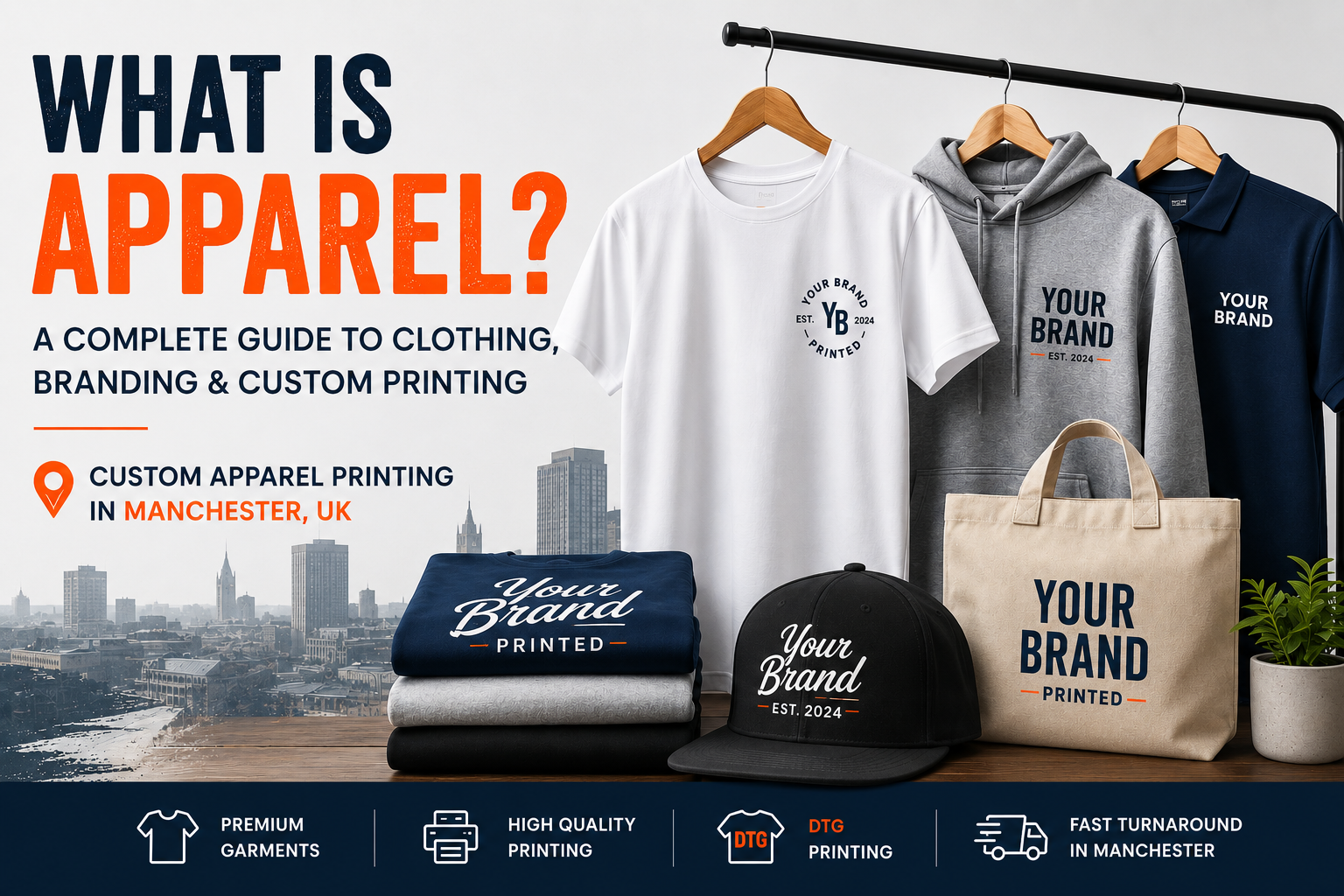

If you’ve ever shopped online, visited a fashion store, or browsed a print shop website, you’ve probably come across the term “apparel.” But what exactly does apparel mean, and why is it such an important part of modern business, branding, and personal expression?
In simple terms, apparel refers to clothing and garments worn by people. However, the apparel industry extends far beyond basic clothing. Today, apparel includes everything from everyday t-shirts and hoodies to corporate uniforms, sportswear, promotional merchandise, and custom-printed garments.
For businesses, organisations, clubs, and individuals, apparel has become one of the most effective ways to communicate a message, build a brand, and create a professional appearance. With modern printing technology, custom apparel offers opportunities that go far beyond fashion alone.
In this guide, we’ll explore what apparel is, the different types of apparel available, and how custom apparel printing can help businesses and individuals stand out, particularly in Manchester and across the UK.
What does Apparel Mean?
The word “apparel” is commonly used as a collective term for clothing. It includes any garment designed to be worn on the body, regardless of style, purpose, or occasion.
Examples of apparel include:
- T-shirts
- Polo shirts
- Hoodies
- Sweatshirts
- Jackets
- Workwear
- Sportswear
- Uniforms
- Dresses
- Trousers
- Shorts
- Hats and caps
While many people use the words “clothing” and “apparel” interchangeably, businesses often prefer the term apparel because it encompasses a broader range of products and commercial applications.
In retail, ecommerce, and printing industries, apparel is frequently categorised according to its purpose, target audience, or decoration method.
While many people use the words “clothing” and “apparel” interchangeably, businesses often prefer the term apparel because it encompasses a broader range of products and commercial applications.
In retail, ecommerce, and printing industries, apparel is frequently categorised according to its purpose, target audience, or decoration method.
The Different Types of Apparel
The apparel market is incredibly diverse, serving consumers, businesses, schools, charities, sports teams, and countless other organisations.
Casual Apparel
Casual apparel includes the everyday clothing people wear for comfort and convenience. Popular examples include:
- Basic t-shirts
- Hoodies
- Joggers
- Sweatshirts
- Casual jackets
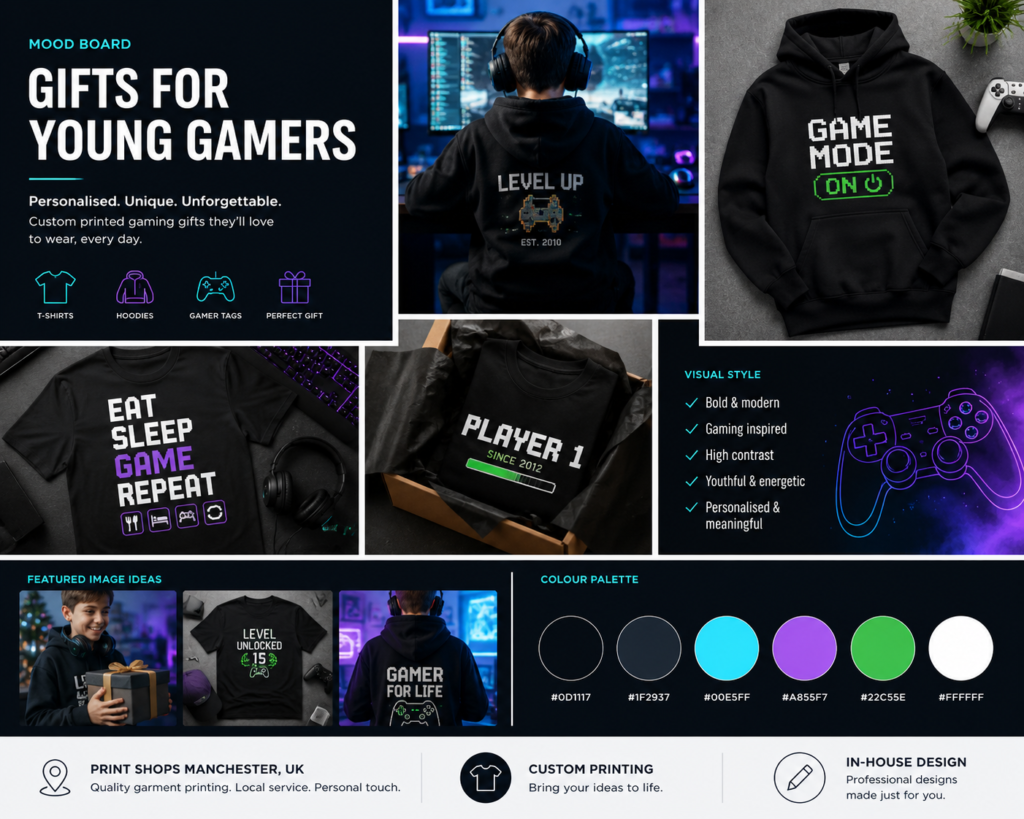
These garments are among the most popular products for custom printing because they provide large printable areas and appeal to a wide audience.
Corporate Apparel
Corporate apparel is designed to create a professional image for businesses. This category often includes:
- Branded polo shirts
- Uniform shirts
- Workwear
- Fleeces
- Hi-vis clothing
- Branded outerwear
Custom-printed corporate apparel helps employees look professional while increasing brand visibility.
Sports and Performance Apparel
Sports apparel is designed for athletic activities and performance. These garments often feature:
- Moisture-wicking fabrics
- Lightweight materials
- Stretch technology
- Team branding
Custom sportswear has become increasingly popular for football clubs, gyms, running groups, and local sports organisations.
Promotional Apparel
Promotional apparel is specifically created to market a brand, event, or campaign.
Examples include:
- Event t-shirts
- Charity fundraising garments
- Conference merchandise
- Exhibition uniforms
- Branded giveaways
Because people continue wearing quality garments long after an event has finished, promotional apparel often delivers a strong return on investment.
Why Apparel Is Important for Businesses?
For many organisations, apparel is much more than clothing. It serves as a marketing tool, branding asset, and customer engagement opportunity.
When employees wear branded apparel, customers instantly recognise the business. When customers wear branded merchandise, they effectively become brand ambassadors.
Benefits of branded apparel include:
Increased Brand Awareness
Every printed garment becomes a mobile advertisement. Whether worn in the workplace, at an event, or out in public, branded apparel helps increase visibility.
Professional Appearance
Uniform apparel creates consistency and professionalism. Customers often feel more confident dealing with staff who are easily identifiable through branded clothing.
Team Identity
Custom apparel helps foster a sense of belonging among employees, sports teams, volunteers, and community groups.
Cost-Effective Marketing
Compared to many forms of advertising, custom apparel provides long-term exposure. A quality printed hoodie or t-shirt can generate thousands of impressions over its lifespan.
The Rise of Custom Apparel Printing
One of the most exciting developments within the apparel industry is the growth of custom printing.
Advances in printing technology now make it possible to personalise garments quickly, affordably, and with exceptional quality.
Businesses can print:
- Company logos
- Staff names
- Promotional messages
- Event branding
- Product artwork
- Team graphics
- Creative designs
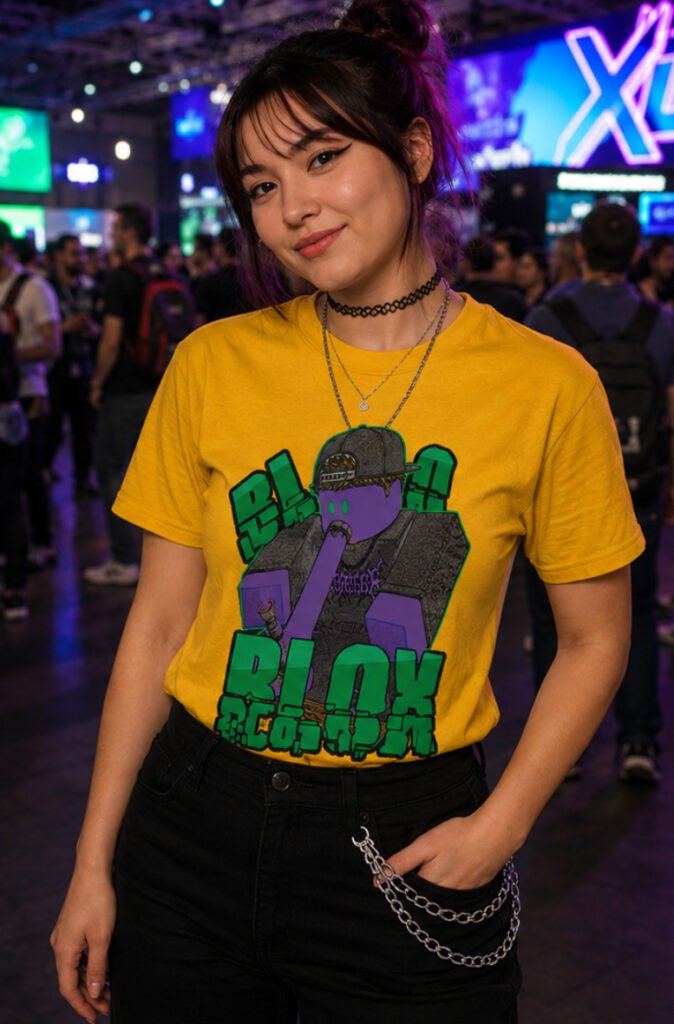
Individuals can also create unique garments for birthdays, stag and hen parties, family events, charities, and personal fashion projects.
The demand for personalised apparel continues to grow because consumers increasingly value products that reflect their identity and interests.
Popular Apparel Printing Methods
Choosing the right printing method is important for achieving the desired result.
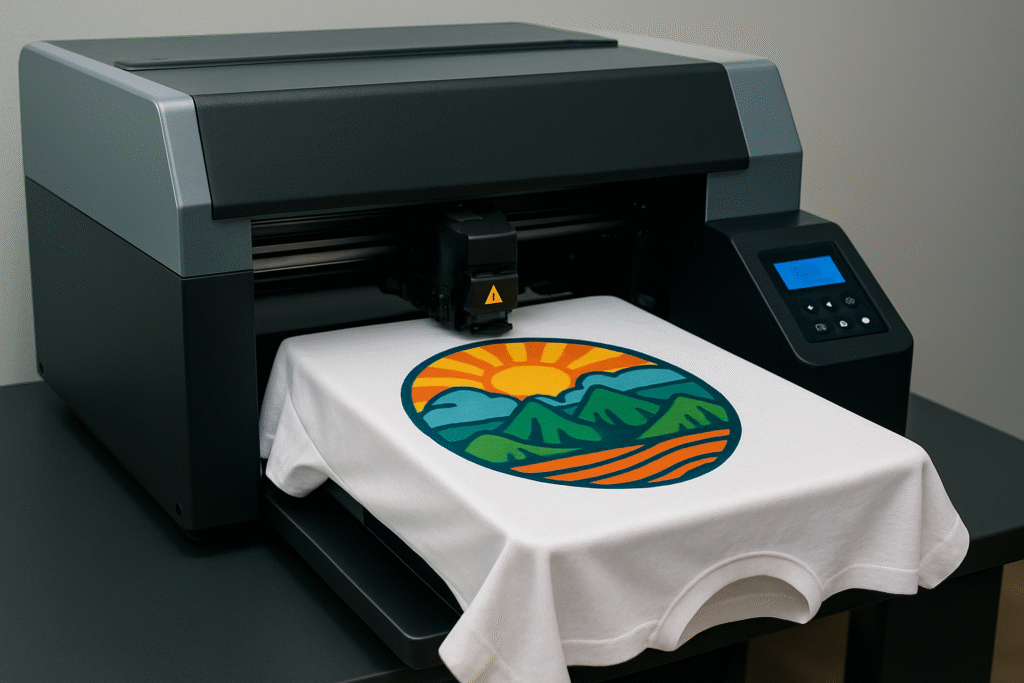
Direct-to-Garment (DTG) Printing
DTG printing applies designs directly onto fabric using specialised printers.
Benefits include:
- High-detail artwork reproduction
- Full-colour printing
- Ideal for smaller orders
- Excellent for ecommerce brands
This method is popular for custom fashion brands and personalised clothing.
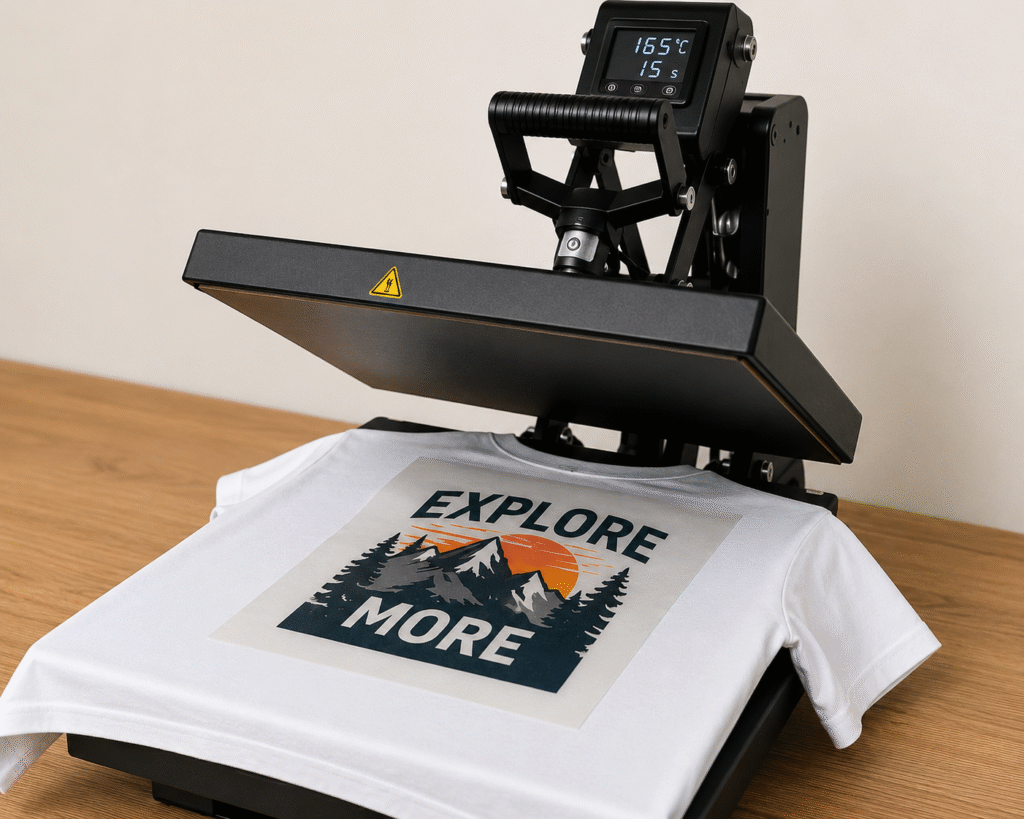
Heat Transfer Printing
Heat transfer methods are commonly used for:
- Personalised names
- Sports numbers
- Small batch orders
- Speciality garments
This technique offers flexibility and fast production times.
Custom Apparel Printing for Businesses in Manchester
Businesses across Manchester operate in highly competitive markets. Standing out requires effective branding, and custom apparel is one of the simplest ways to achieve this.
Whether you’re running:
- A trades business
- A restaurant
- A retail shop
- A gym
- A startup
- A charity
- A corporate organisation
Branded apparel can strengthen your company’s visual identity.
SquareBoxPrint printing services offer several advantages, including faster turnaround times, easier communication, and the ability to review samples before large production runs.
For Manchester-based organisations, partnering with a local apparel printing specialist can help ensure consistent quality and reliable service.
Why Ecommerce Apparel Sales Continue to Grow
The ecommerce apparel sector is one of the fastest-growing retail categories worldwide.
Several factors contribute to this growth:
Personalisation
Customers increasingly want products tailored to their preferences.
Print-on-Demand Technology
Print-on-demand services allow garments to be produced only when ordered, reducing waste and inventory costs.
Brand Building
Many entrepreneurs launch clothing brands with relatively low start-up costs thanks to modern apparel printing solutions.
Online Design Tools
Customers can often upload artwork, customise products, and place orders entirely online.
How to Choose the Right Apparel for Printing
When selecting apparel for custom printing, several factors should be considered.
Fabric Quality
Higher-quality garments generally provide:
- Better print results
- Greater durability
- Improved customer satisfaction
Intended Use
A corporate uniform may require different materials than a promotional event t-shirt.
Printing Method
Different decoration techniques work best on specific fabrics and garment types.
Budget
Balancing quality and cost is essential, especially for larger orders.
Working with an experienced print shop can help identify the most suitable garments and printing methods for your project.
The Future of Apparel and Custom Printing
The apparel industry continues to evolve rapidly.
Emerging trends include:
- Sustainable fabrics
- Eco-friendly inks
- On-demand manufacturing
- Personalised ecommerce experiences
- Advanced digital printing technologies
Consumers increasingly expect high-quality, customised products delivered quickly and responsibly.
For businesses, this creates significant opportunities to connect with customers through unique branded apparel that reflects their values and identity.
Conclusion
So, what is apparel?
At its core, apparel refers to the clothing and garments people wear every day. However, in today’s business environment, apparel has become much more than fabric and fashion. It serves as a powerful branding tool, marketing asset, and means of personal expression.
From casual t-shirts and hoodies to professional uniforms and promotional merchandise, custom apparel allows businesses and individuals to create lasting impressions.
For organisations looking to strengthen their brand presence in Manchester and throughout the UK, custom apparel printing offers a practical, cost-effective solution. Whether you’re launching a clothing brand, promoting an event, or outfitting your team with professional workwear, the right printed apparel can help your message travel further and make a stronger impact.
As printing technology continues to advance, the opportunities within the apparel industry will only continue to grow—making now an excellent time to invest in custom printed clothing that combines quality, creativity, and brand visibility.